
Retail Floor Cleaning & Waxing Montgomery
Heavy grocery corridor stripping, high-speed thermal showroom burnishing, and seamless overnight execution with zero daytime customer downtime.
100% off-hours execution with zero customer impact.
Resists heavy shopping cart wheel drag and scoring.
Brilliant high-depth reflection under retail lighting.
Shopping cart wheels dragging embedded parking lot grit across a thin layer of degraded acrylic finish will destroy a commercial floor in a matter of days. By the time a store manager notices the dull, hazy walkways running through their main aisles, the sacrificial wear layer is already structurally compromised. The dirt is no longer sitting on top of the wax; it is physically ground into the polymer matrix. When janitorial crews run a standard auto-scrubber over this damaged surface, they are simply wetting the dirt, leaving the underlying vinyl composition tile (VCT) permanently stained and highly vulnerable to moisture blowout.
Retail floor cleaning and waxing montgomery demands a chemically precise, mechanically aggressive approach. From the massive grocery corridors across the city to the high-end boutiques at The Shoppes at EastChase, retail floors require ultra-high-solids finishes that can survive relentless foot traffic and heavy rolling loads. Montgomery Floor Strip and Wax strips the substrate completely bare, neutralizes the alkaline burn, and builds a dense, optically clear wear layer engineered specifically for high-speed burnishing and maximum light reflectivity.
Grit-Impregnated Wax Failure
When parking lot quartz is ground into degraded wax, standard auto-scrubbers cannot extract it. Only complete alkaline liquefaction removes embedded silica before tile micro-fracturing occurs.
Diagnosing Substrate Failure in High-Volume Grocery Corridors
Grocery store floor stripping is an entirely different operational beast than standard commercial office maintenance. Supermarket floors are subjected to continuous, localized chemical attacks. Dropped produce, spilled dairy, and acidic fruit juices sit on the floor, actively eating through standard acrylic finishes. When acidic spills react with cheap wax, the polymers fracture, creating porous, dull spots that instantly absorb the black carbon off shopping cart wheels and heavy pallet jacks.
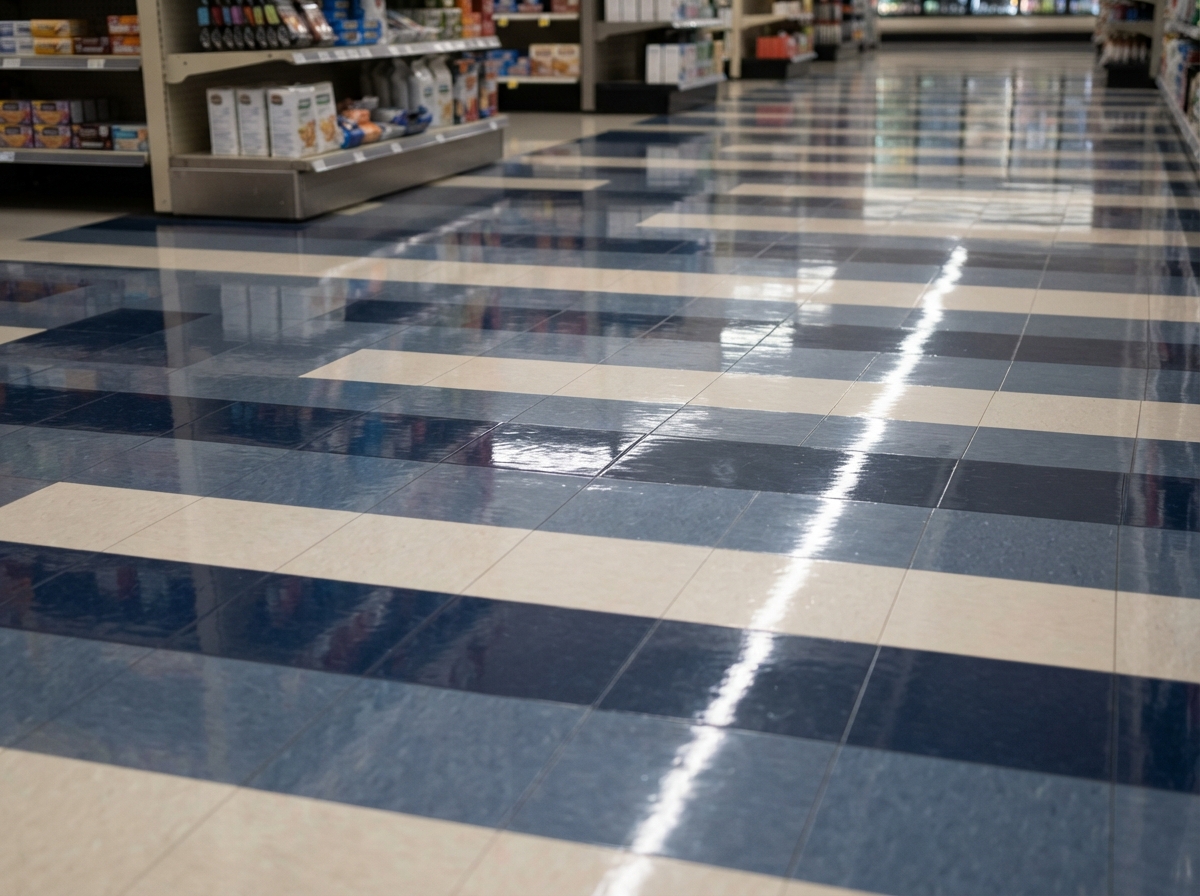
Furthermore, the VCT in older grocery corridors often suffers from heavy plasticizer migration. This occurs when incompatible rubber floor mats in produce or meat departments chemically react with the acrylic floor finish, creating a sticky, permanently discolored yellow blob that standard floor strippers struggle to penetrate. The adhesive beneath the tile also comes under attack if aggressive chemical degreasers from the deli or bakery departments seep through unsealed joints.
To reverse this damage, commercial supermarket floor waxing requires heavy-duty alkaline emulsification. We evaluate the depth of the chemical burn, map the localized failure points in high-spill zones, and deploy industrial extraction methods that pull years of contaminated wax, trapped dirt, and degraded residues straight out of the physical tile.
Thermal Curing and Showroom Floor Burnishing Mechanics
In the automotive dealerships along the Atlanta Highway, the floor finish must achieve two critical, simultaneous objectives: it must handle the massive point-load pressure of a 4,000-pound vehicle, and it must reflect the overhead lighting with absolute optical clarity to showcase the inventory.
When hot tires roll onto a standard floor finish, the heat from the rubber causes the wax to temporarily soften. As the tire cools, the rubber physically bonds to the finish. When the vehicle is moved, the tire rips the finish straight off the VCT or concrete slab—a mechanical failure known in the industry as "hot tire pickup."
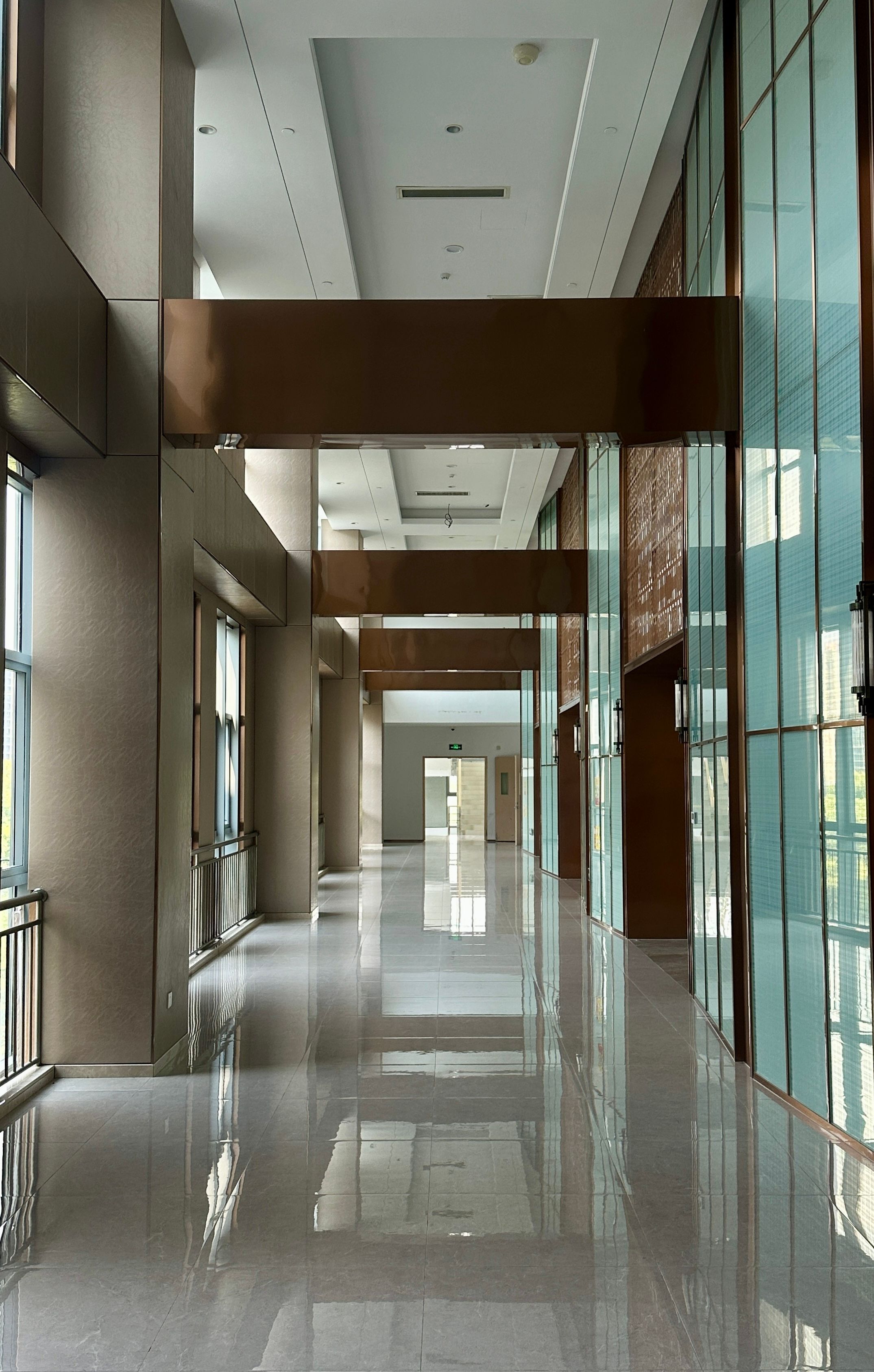
To prevent this, we utilize ultra-high-solids zinc-crosslinked finishes specifically designed to resist heat transfer and plasticizer leaching from tire rubber. Once the foundation coats are laid and fully cured, we initiate our showroom floor burnishing protocol.
Burnishing is fundamentally different from buffing. We utilize heavy, 2000+ RPM propane burnishers equipped with specialized natural hair or poly-blend thermal pads. The intense downward pressure and friction generated by the high-speed rotation physically melts the top microscopic layer of the floor finish, immediately hardening it into a dense, glass-like shield. This thermal curing process smooths out microscopic scratches, creates a slip-resistant barrier, and produces a wet-look shine that dramatically amplifies the ambient lighting in Eastern Boulevard retail hubs.
Our Retail Extraction and Coating Workflow
Handling multi-thousand square foot retail environments requires strict mechanical control. We isolate the grid, manage the exact chemical dwell times, and extract the contaminated slurry without splashing product displays or damaging sensitive refrigeration units.
Step 1: Dry Particulate Removal and Aisle Isolation
We clear the target zones of all mobile display racks, dump bins, and end-caps. Our crews run heavy-duty dry sweeps to pull sand, glass shards, and heavy abrasive grit off the floor. We meticulously mask off the base of all refrigeration units, metal gondola shelving, and checkout counters using heavy-duty moisture barrier tape. This prevents the highly alkaline stripping solution from causing permanent rust or corrosion on your physical assets.
Step 2: Aggressive Alkaline Emulsification
We flood the VCT with high-concentration stripping solvents. In retail environments, we frequently encounter ten to fifteen layers of old, heavily yellowed finish that maintenance crews have blindly mopped over embedded dirt. We allow the solvent to dwell for exactly ten to fifteen minutes, monitoring the chemical reaction. We manually agitate the solution near the baseboards and under the gondolas where the wax buildup is thickest, ensuring the chemical completely breaks the hard acrylic bonds down to the bare tile.
Step 3: Heavy Rotary Extraction
Once the finish is fully liquefied, we deploy heavy-weighted swing machines and scrubbers fitted with aggressive black stripping pads. The brute downward pressure rips the emulsified wax out of the deep gouges and scratches caused by pallet jacks. For heavily damaged aisles, our technicians use specialized edge-scraping tools to manually pull the hardened crust out of the corners.
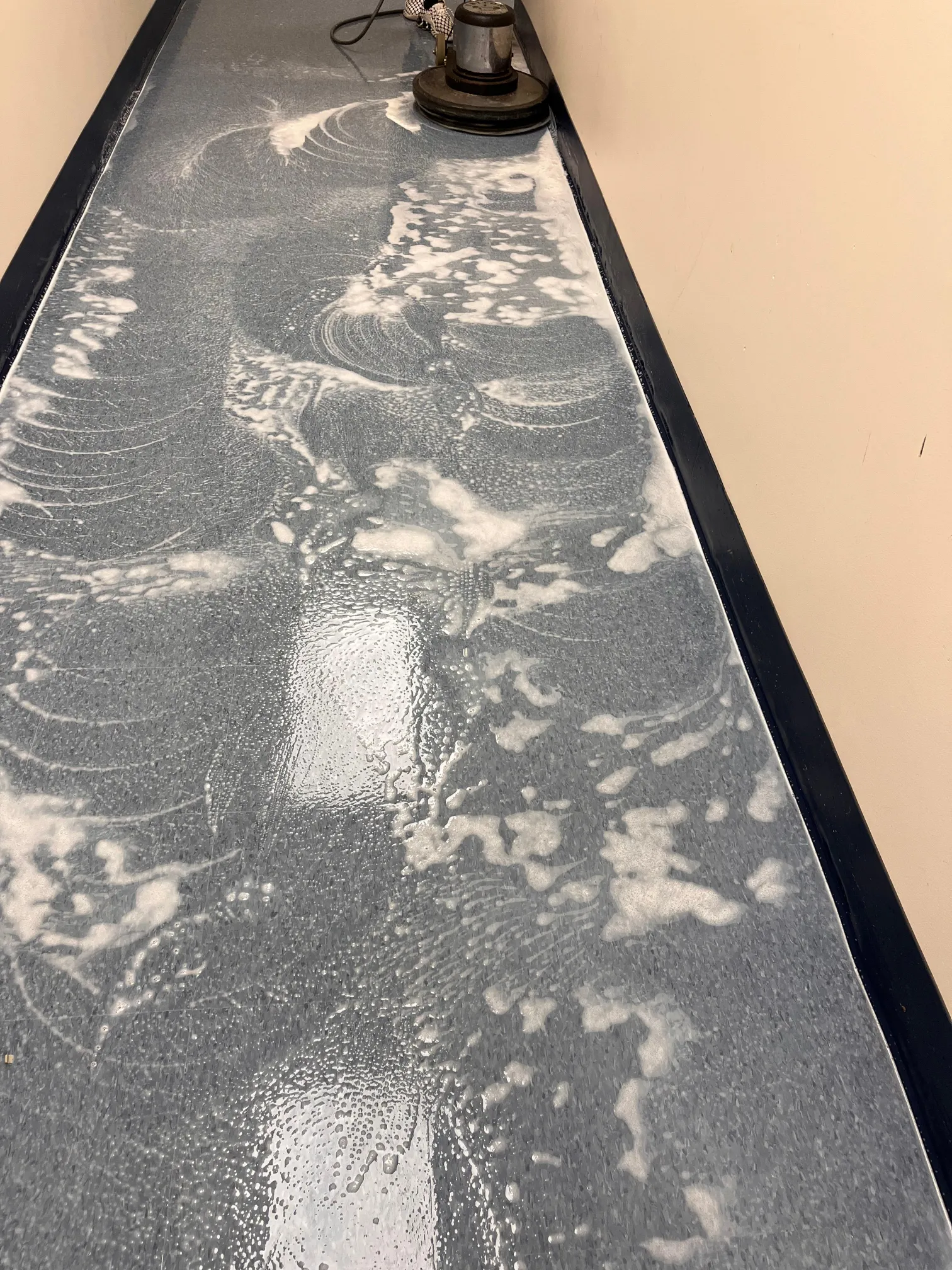
Step 4: Slurry Recovery and pH Neutralization
The resulting toxic, slippery slurry is immediately extracted using high-CFM wet vacuums. We extract aggressively because allowing stripped wax to dry back onto the floor permanently ruins the substrate. We then flood the bare tile with a specialized acidic rinse. Floor strippers leave the surface highly alkaline (often hitting a pH of 13 or 14). If new finish is applied to this alkaline surface, it will immediately powder and fail under foot traffic. We scrub the neutralizing rinse deeply into the floor to bring the substrate back to a dead neutral 7.0 pH, ensuring perfect chemical adhesion.
Step 5: High-Solids Polymer Application
Once the neutralized floor is bone dry, we lay down four to six foundation coats of commercial-grade, high-solids floor finish. We utilize microfiber applicator systems to ensure exact mil-thickness per coat, preventing puddling, streaking, or lint contamination. We calculate strict flash times between each coat based on the ambient humidity of the specific building, forcing the polymers to fully cross-link before the next layer is applied.
After Hours Commercial Floor Care and Overnight Execution
Shutting down a grocery store or retail showroom during operating hours is simply not an option. Lost foot traffic translates directly to lost revenue. Retail floor maintenance requires after hours commercial floor care executed with militant logistics.
Our crews are built for overnight execution with zero daytime customer disruption. We mobilize the minute your doors lock. By breaking massive retail footprints into calculated structural grids, we strip, neutralize, seal, wax, and thermal-burnish specific sections of your store within a single overnight shift. We communicate directly with facility managers to manipulate the HVAC systems, forcing high air turnover to accelerate the curing process of the high-solids finishes.
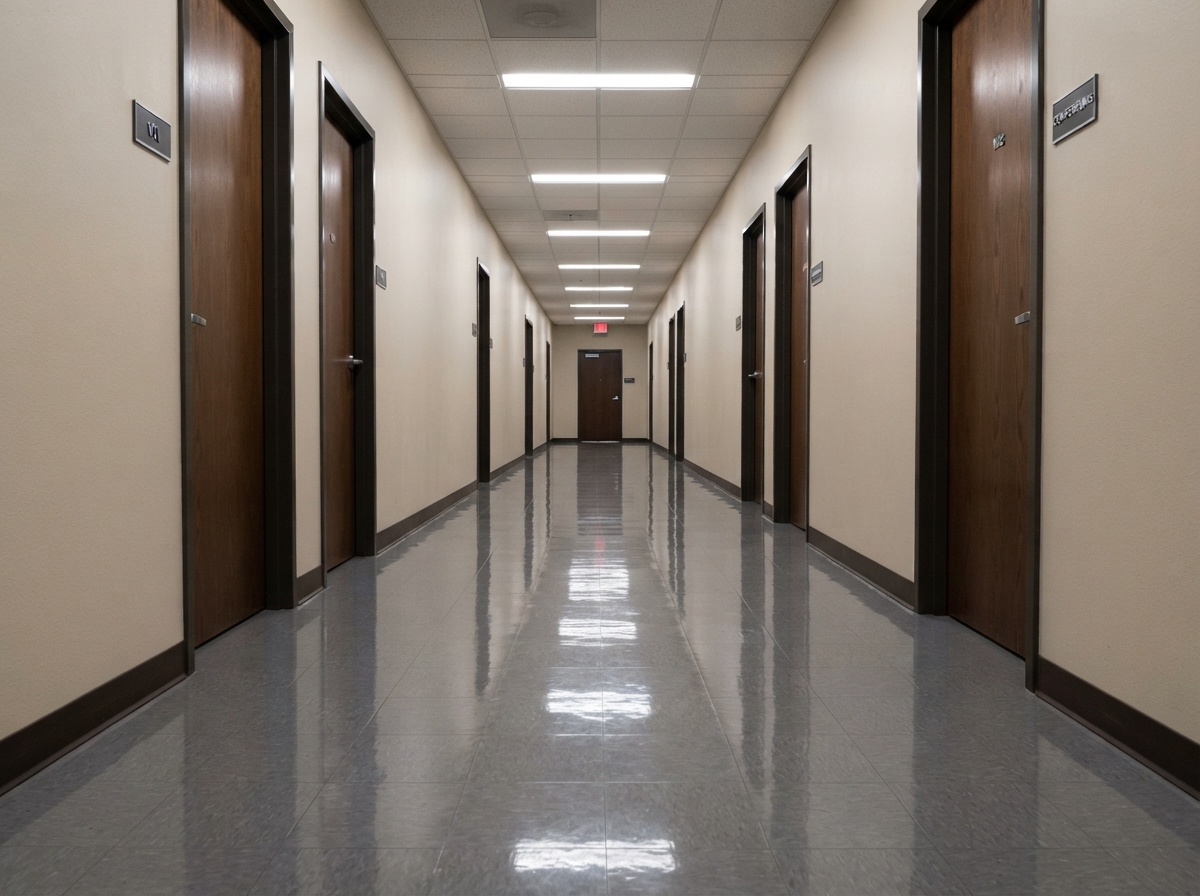
By the time your opening managers arrive in the morning, the caution tape is down. The floor is fully cured, diamond-hard, and completely ready for heavy rolling loads and immediate high-volume foot traffic.
Secure Your Overnight Retail Floor Restoration
Do not let neglected floors degrade your brand perception and destroy your physical substrate. When VCT loses its protective wear layer, the physical tile begins to absorb dirt and liquids directly, eventually requiring massive capital expenditure for total floor tear-out and replacement.
Montgomery Floor Strip and Wax delivers aggressive, chemically exact extraction and finishing protocols designed exclusively for the brutal realities of the retail, automotive, and grocery sectors. We evaluate the specific chemical damage to your floors, map out an overnight logistics plan, and execute the restoration without halting your retail operations for a single hour.
Call (334) 530-5637 to secure your overnight service quotes, or use our online submission link for after-hours floor walkthrough appointments directly with our field technicians.
Overnight Service Coordinator
Direct line for supermarket, retail store, and auto dealership managers.
Overnight Retail Quote Request
Submit your retail footprint square footage and preferred overnight time window for a customized proposal.