
Commercial Floor Care Tallassee AL
High ambient humidity rolling off the Tallapoosa River commercial zones directly attacks the curing process of acrylic floor finishes. When an inexperienced contractor applies a standard floor wax in a humid, poorly ventilated facility, the top layer of the polymer flashes dry while the underlying layers remain permanently trapped in a liquid state. This "skinning over" effect creates a soft, gummy wear layer. The moment a loaded pallet jack or a heavy work boot crosses the floor, that uncured finish acts like an adhesive trap. Abrasive silica sand, asphalt oils, and red clay embed instantly into the wax, structurally fracturing the barrier and grinding directly against the bare vinyl composition tile (VCT).
Commercial floor care tallassee al demands exact mechanical extraction and strict environmental control. Standard janitorial string mops and heavily diluted neutral cleaners will never reverse this deep material degradation; they simply wet the embedded dirt and spread a hazy, yellowed film across your entire facility. Operating throughout the Highway 14 and Highway 229 corridors, Montgomery Floor Strip and Wax executes precision substrate restorations. We tear out contaminated acrylic crusts, neutralize severe alkaline burns in the physical tile, and build diamond-hard, ultra-high-solids polymer wear layers engineered specifically to survive brutal localized friction.
Medical & Industrial Specs
- Clinical sanitizer & bio-load chemical extraction
- Exact pH 7.0 acidic reset prevents polymer rejection
- Concrete densifiers for 10,000 lb rolling plant loads
- Dedicated Highway 14 & 229 crew appointments
Diagnosing VCT Failure in Medical and Retail Zones
Commercial floors absorb highly specific types of localized abuse. The mechanical friction in a heavily trafficked retail strip differs entirely from the localized chemical spills occurring inside the Community Hospital medical clinics.
In clinical and medical suite environments, the floor finish is subjected to constant attacks from harsh sanitizers, iodine-based fluids, and heavy quaternary disinfectants. When these highly acidic or heavy solvent-based chemicals hit a low-solids floor wax, the zinc-crosslinked bonds within the polymer matrix instantly fracture. The wax etches, turning cloudy, porous, and highly susceptible to biological contamination. If a janitorial crew attempts to fix this by mopping a fresh layer of finish directly over the etched wax, they permanently seal the bio-load into the floor, creating a surface that emits constant odors and peels under rolling medical carts.
Proper tallassee commercial tile cleaning and extraction requires diagnosing these chemical layers before a single machine is unloaded. We measure the depth of the chemical etching and calculate the exact solvent dwell time required to liquefy the dead acrylic crust. We isolate the clinical environment, adjust the HVAC returns to prevent toxic chemical vapors from drifting into active patient care areas, and extract the contaminated layers without pushing alkaline slurry under expensive, fixed cabinetry.
The Mechanics of Heavy-Duty VCT Extraction
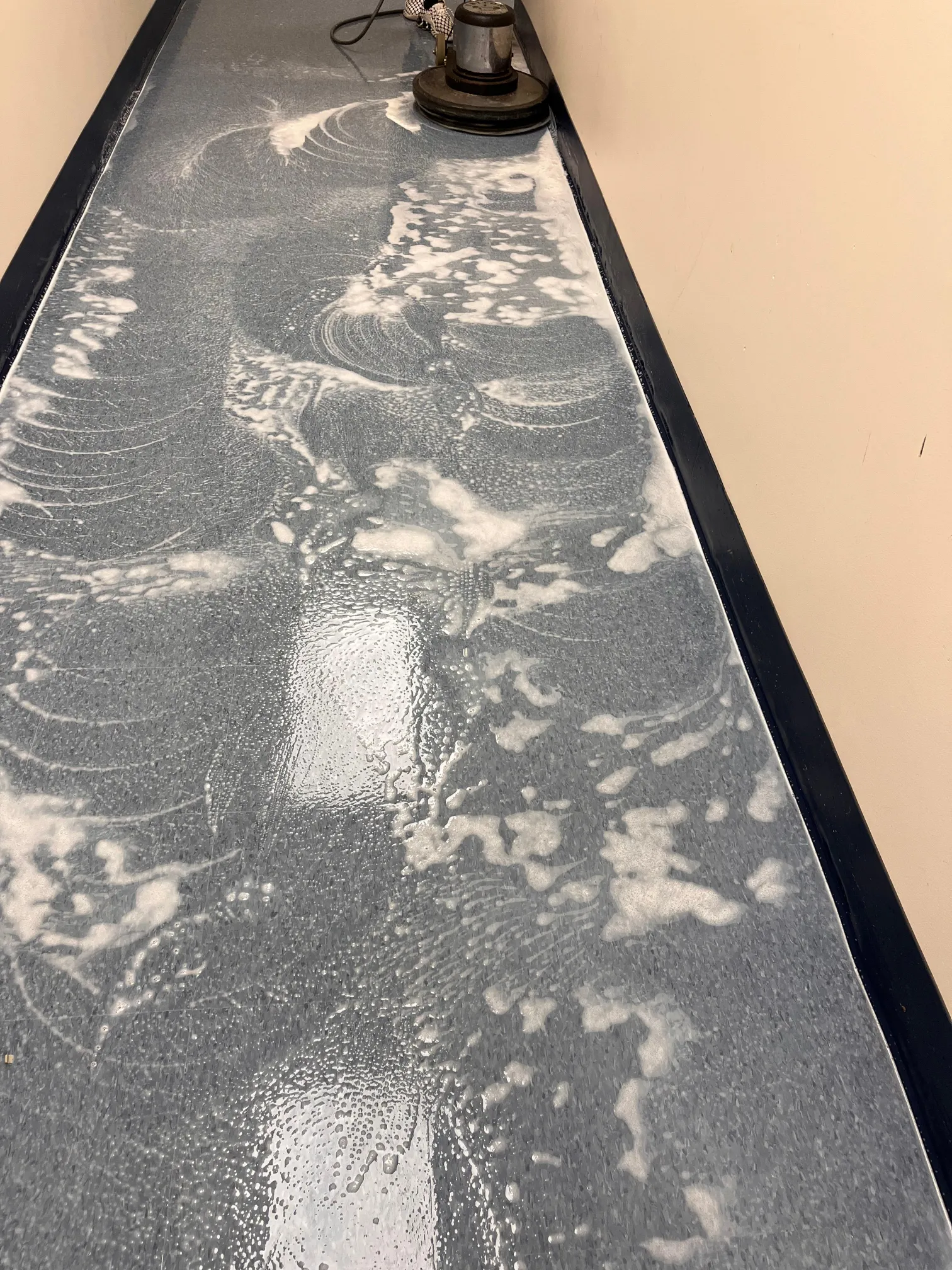
Restoring a heavily damaged commercial floor requires a militant, phased chemical extraction workflow. Vct maintenance tallassee al operations demand absolute mechanical control to ensure the substrate is perfectly raw and chemically neutral before we apply our foundation coats.
Step 1: Particulate Sweeping and Isolation Masking
Before any liquids are introduced, we execute a massive dry-sweep protocol. We remove heavy aggregate, pallet splinters, and abrasive sand from the designated grid. We meticulously mask off metal transition strips, baseboards, and any built-in wooden cabinetry using heavy-duty moisture barrier tape. Industrial floor strippers are highly aggressive chemical agents; if a single drop splashes onto unprotected drywall or sensitive office furniture, it permanently dissolves the paint and bleaches the material.
Step 2: Measured Solvent Emulsification
We deploy specialized applicator carts to flood the VCT with high-concentration stripping solvents. In tight office corridors, we manually pull the stripping solution away from the baseboards to prevent pooling. We monitor the chemical reaction closely by the stopwatch, ensuring the hardened acrylic fully emulsifies into a toxic liquid slurry without flashing off and prematurely drying out.
Step 3: High-RPM Mechanical Agitation
Once the crust is fully liquefied, we deploy heavy-weighted swing buffers equipped with aggressive black stripping pads. The brute downward pressure combined with the high-RPM rotation physically rips the emulsified slurry out of the deep gouges and scratches in the VCT. For tight corners, under retail gondolas, and along the heavily built-up perimeters, our technicians use specialized hand-scraping tools to manually cut the old wax away from the edges where the rotary machines cannot reach.
Step 4: Slurry Recovery and Strict Acidic Neutralization
The resulting slurry is highly toxic and densely packed with extracted dirt and liquefied polymer. We rapidly pull it off the substrate using high-CFM wet vacuums. We never allow stripped wax to begin re-drying onto the bare tile, as this permanently locks the dirt back into the pores of the floor. Immediately following extraction, we flood the bare tile with a concentrated acidic neutralizer. Standard floor strippers leave the floor in a highly alkaline state (often hitting a pH of 13 or 14). We scrub this acidic rinse deep into the VCT to draw out the alkaline residue. We extract the rinse and chemically test the surface to guarantee a dead neutral pH of 7.0.
Industrial Floor Care for Auto Parts Manufacturing Facilities
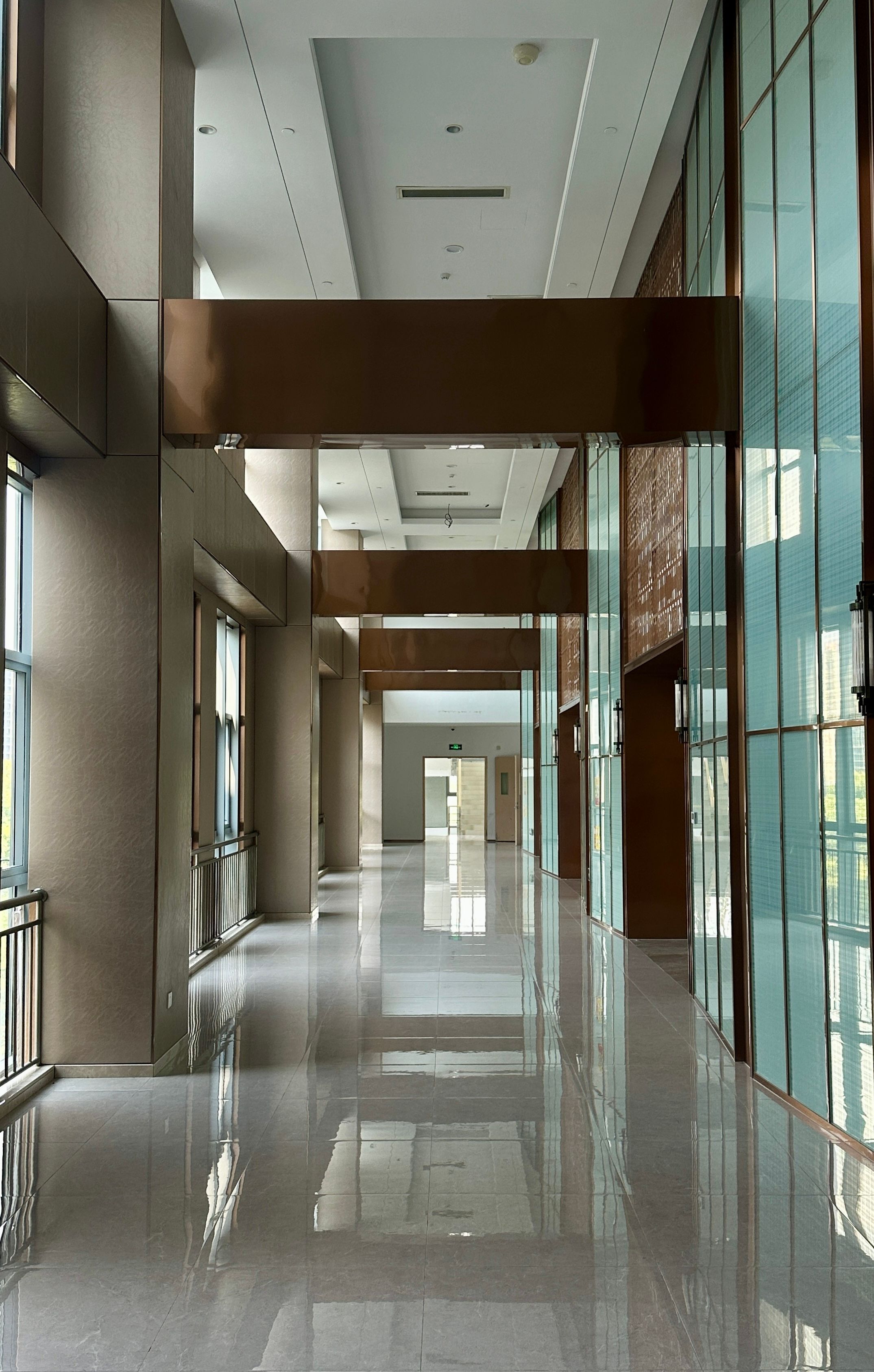
The manufacturing sector presents a vastly different mechanical challenge. Industrial floor care tallassee requires addressing massive rolling loads, concrete spalling, and heavy petroleum infiltration. Inside the local auto parts manufacturing facilities, hard-wheeled forklifts and heavy pallet jacks generate immense shear force.
When forklift tires grind metal shavings and industrial greases directly into an unsealed concrete slab, the mechanical friction breaks down the weak capillary structure of the raw concrete. This launches fine silica dust into the facility’s air supply—a failure known as dusting or spalling. This airborne dust settles on active inventory, destroys the mechanical bearings of sensitive conveyor belts, and rapidly clogs industrial HVAC filters. If the manufacturing plant utilizes VCT in its pedestrian corridors, that same abrasive grit violently shears through cheap acrylic waxes, exposing the porous tile directly to caustic industrial fluids.
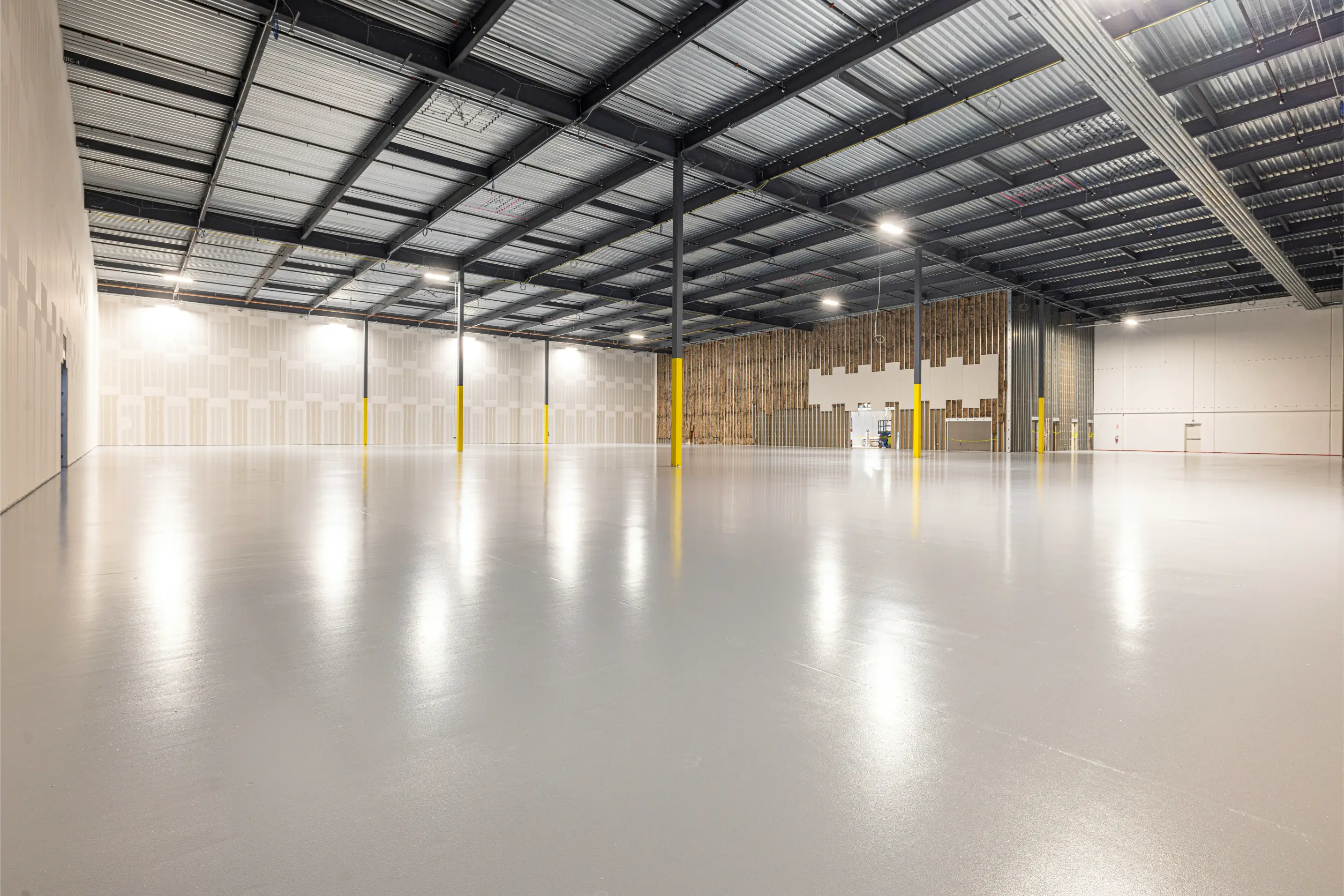
To stop this structural failure, we utilize heavy-duty ride-on scrubbers and aggressive alkaline degreasing agents to pull embedded hydraulic oil out of the slab. Once the concrete is chemically neutralized, we apply industrial-grade penetrating densifiers. These chemical agents sink deeply into the porous slab and crystallize, permanently locking the surface and creating a dust-proof, liquid-resistant barrier. For the VCT zones, we build up to six foundation coats of ultra-high-solids finish designed specifically to withstand the brutal 10,000-pound rolling loads typical of automotive logistics.
Controlling Climate During High-Solids Polymer Application
Executing flawless floor stripping and waxing tallassee requires direct manipulation of the building's internal climate. Central Alabama humidity actively fights the cross-linking process of commercial floor finishes.
We coordinate directly with your facility managers to lower the building's internal temperature and maximize HVAC air turnover during the overnight application processes. We apply our ultra-high-solids floor finishes in strict, micro-thin layers using specialized microfiber applicator rigs. These applicators ensure an exact mil-thickness per coat, completely eliminating the risk of mop streaks and lint contamination.
By forcing high ambient airflow across these micro-thin layers, we control the exact flash times, guaranteeing that each pass fully hardens before the next coat is laid. We build dense foundation coats that establish an impenetrable barrier, totally isolating the physical VCT from heavy mechanical friction.
Once these foundation coats are established, we implement a scheduled high-speed thermal burnishing protocol. Utilizing heavy, propane-powered machines operating at speeds exceeding 2000 RPM, we physically melt the top microscopic layer of the floor finish. As this micro-layer instantly cools, it fuses into a diamond-hard, glass-like shield. This smooths out microscopic scratches caused by daily industrial traffic, drastically hardens the surface against black rubber marks, and produces a tight, highly cleanable surface that extends the lifespan of your substrate by decades.
Schedule Your Commercial Substrate Assessment
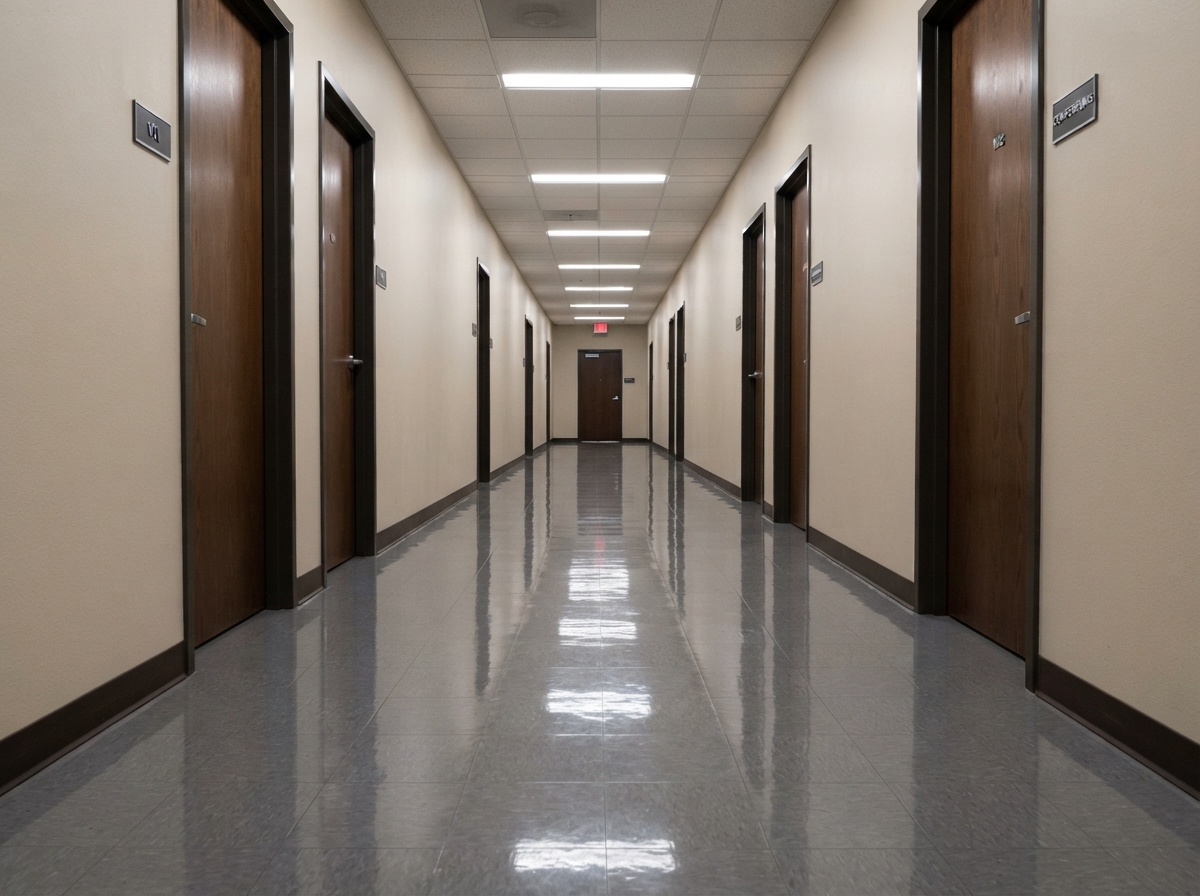
Neglected floors actively degrade until total substrate tear-out and replacement becomes the only remaining financial option. Do not let abrasive dirt, harsh clinical sanitizers, and heavy industrial greases destroy the physical tile and concrete slabs in your facilities. You need a targeted, heavy-duty mechanical extraction protocol that completely resets your substrate to factory standards.
Montgomery Floor Strip and Wax manages the flooring assets for complex commercial and industrial environments across Tallassee and the surrounding Tallapoosa River zones. We will dispatch our field technicians to your facility, physically measure the extent of your substrate damage, and build a localized extraction and maintenance plan that locks out moisture and completely rejects heavy rolling abrasion.
Direct dial (334) 530-5637 to secure your Tallassee commercial appointments, or utilize our online commercial estimate generator to submit your exact square footage and operational hours for a rapid technical consultation.
Online Commercial Estimate Generator
Submit your exact square footage and operational hours for a rapid technical consultation.
Request an On-Site Floor Estimate
Fast, direct pricing for facilities across Montgomery and the River Region.